Fire Safety and Prevention
A collection of knowledge and resources for fire safety and prevention
Fire Extinguisher Safety


Education and safety in the use of portable fire extinguishers.


Fire Escape Plan
Tips and resources for developing your own personal plan.
Checklist and considerations when evaluating your risks at home.
Home Fire Inspection Resources
Kitchen Safety


Young children are at the greatest risk for injury from kitchen fires.
Smoke Detectors
Smoke detector resources and tips
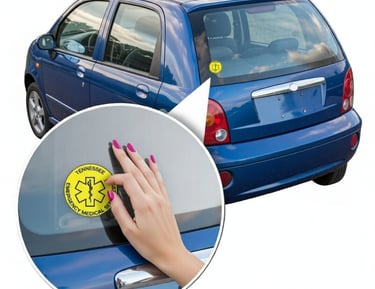
Help First Responders get your medical information quickly. Enroll Today!
Yellow DOT Program
Knox HomeBox
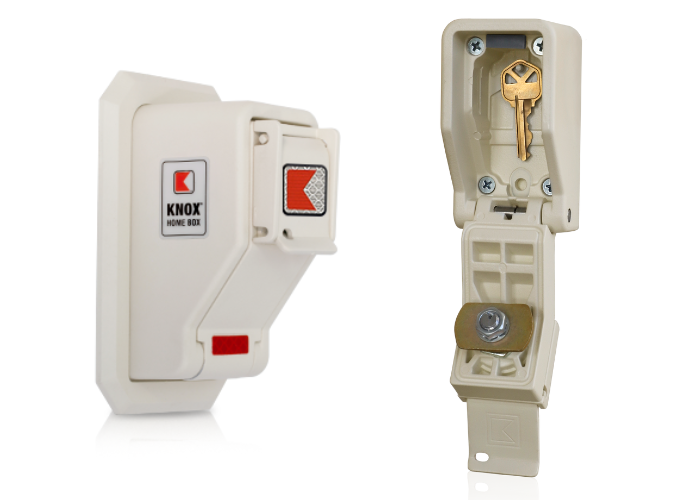
Fire Department accessible home key storage.
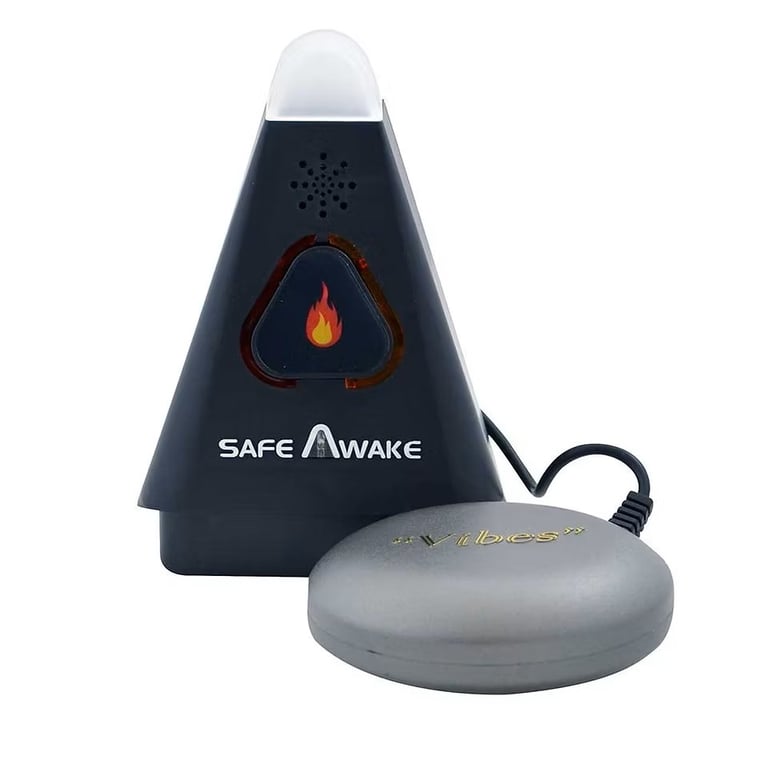
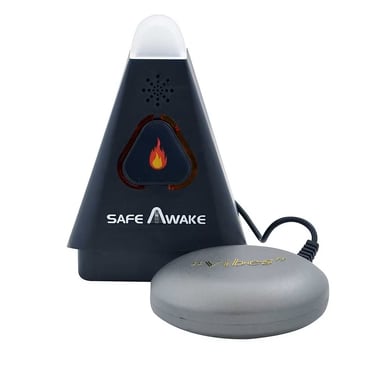


Safe Awake Device
Awakens deaf, hard-of-hearing, and any others to fire emergencies.
Please email or call for other topics not covered!
Revisit for more resources and tips

Fire Safety and Prevention
Fire Extinguisher
Safety and Use
In line with guidance from the NFPA, we believe that children should not be trained how to operate portable fire extinguishers. Teaching children to use portable fire extinguishers runs counter to “Get Down, Get Out, Stay Out” messaging if there is a fire.
Furthermore, children may not have the maturity to operate a portable fire extinguisher properly or decide whether or not a fire is small enough to be put out by the extinguisher. They may not have the physical ability to handle the extinguisher or dexterity to perform the complex actions required to put out a fire. In the process of extinguishing flames, children may not know how to respond if the fire spreads.
We continue to believe that only adults who know how to operate portable fire extinguishers should use them.
There are five primary types of fire extinguishers, each designed to put out different kinds of fires:
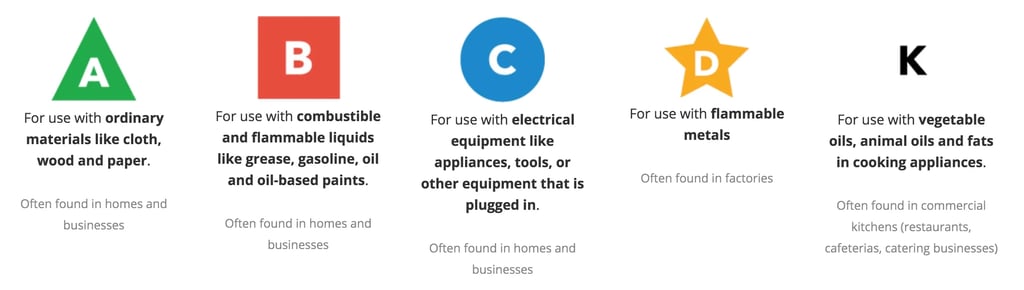

Most home improvement stores carry multipurpose fire extinguishers that cover Class A through Class C.
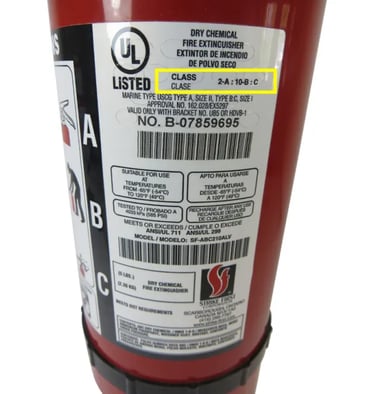
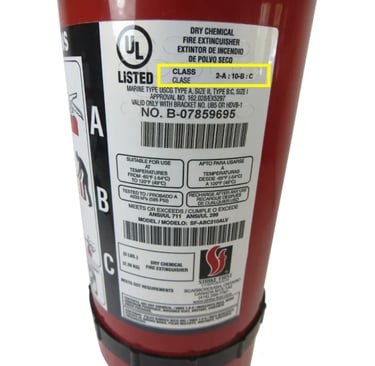
When choosing a portable extinguisher for your home, as a general rule, it should have a rating of at least 2-A:10B, meaning that it is capable of extinguishing both Class A and B fires. Ratings that also include a ‘C’ are capable of extinguishing Class C fires. This label gives an example of a rating on an extinguisher:
When operating a fire extinguisher, remember the word PASS:
Pull the pin. Hold the extinguisher with the nozzle pointing away from you and release the locking mechanism.
Aim low. Point the extinguisher at the base of the fire.
Squeeze the lever slowly and evenly.
Sweep the nozzle from side-to-side.
Before trying to fight a fire, be sure that:
You know how to use the fire extinguisher, and it is the correct type.
Everyone else is leaving the home and someone is calling the fire department.
The fire is small, confined, and not spreading.
You have a clear escape route.
If the fire does not go out after using one extinguisher, back out of the room and get outside. If you have portable fire extinguishers, inspect them once a month and have them serviced annually.


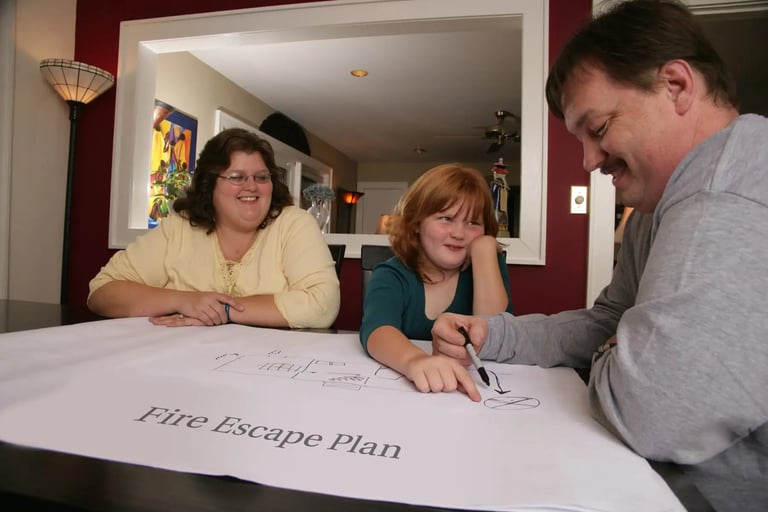
Home Fire Escape Plan
Plan two ways to escape from each room
Pick a place to meet after you escape to make sure that everyone got out
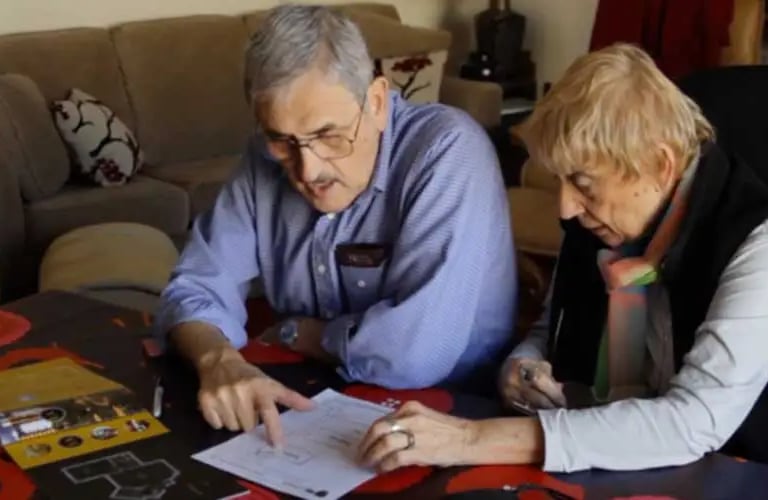
Plan for everyone in your home – including those who need help to escape
Involve children in making and practicing your escape plan
Teach children to never hide during a fire – they must get out and stay out
Practice your escape plan every month
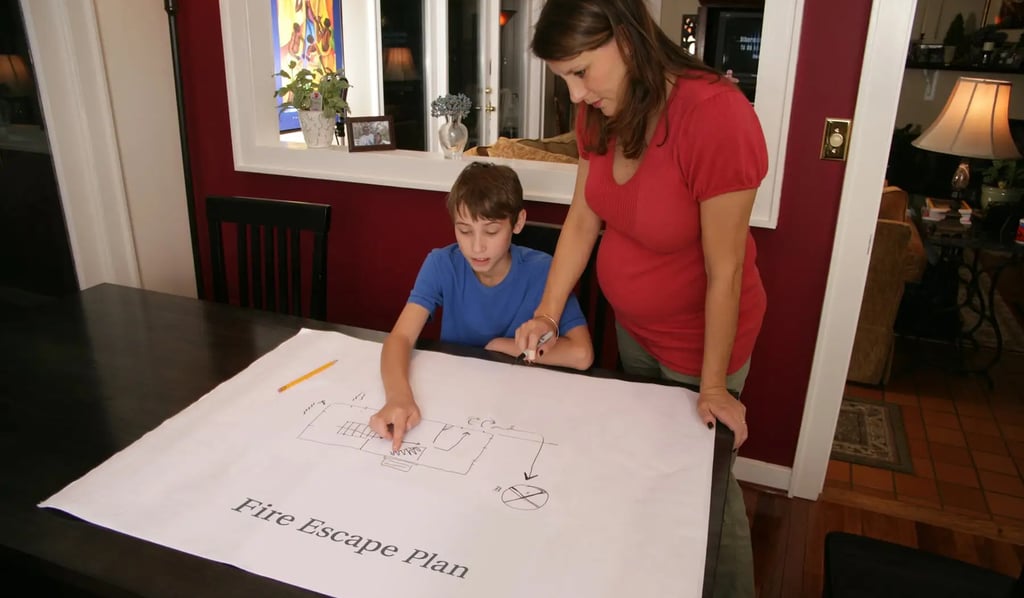
What does it mean to have a home fire escape plan?

Home Fire Inspections
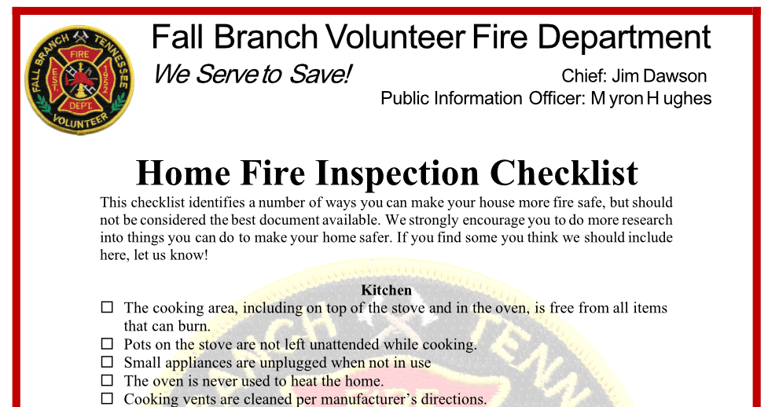
We do not offer home fire inspections, but we have developed a checklist that includes many things that need to be considered to make your home more fire safe. Click the image below to download the document.
Other agencies have developed similar checklists. Here are some:
Kitchen and Cooking Safety
Cooking is a leading cause of reported home fires, home fire injuries, and home fire deaths. From 2020 – 2024, an annual estimated forty-eight percent of home structure fires, thirty-five percent of home fire injuries and sixteen percent of home fire deaths involved kitchen and cooking equipment. Thanksgiving is the peak day for home cooking fires, followed by Christmas Day and Christmas Eve.
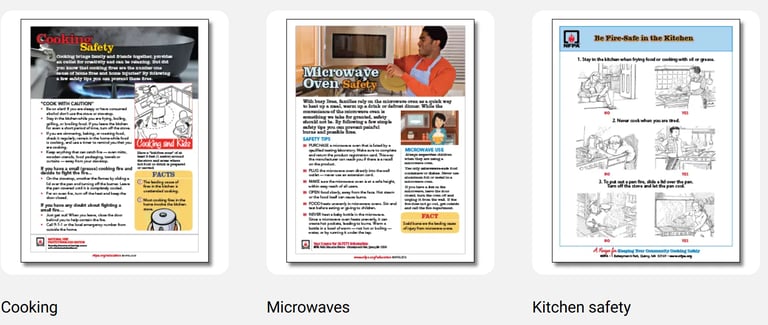
Click below to visit the NFPA website for information and tip sheets on kitchen and cooking safety.
Other agencies have developed similar checklists. Here are some:
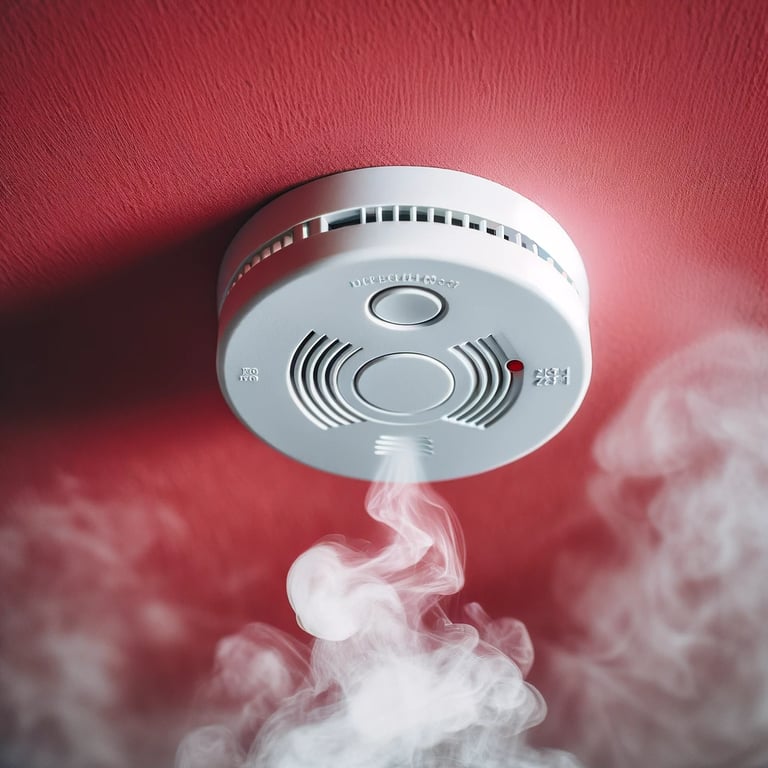
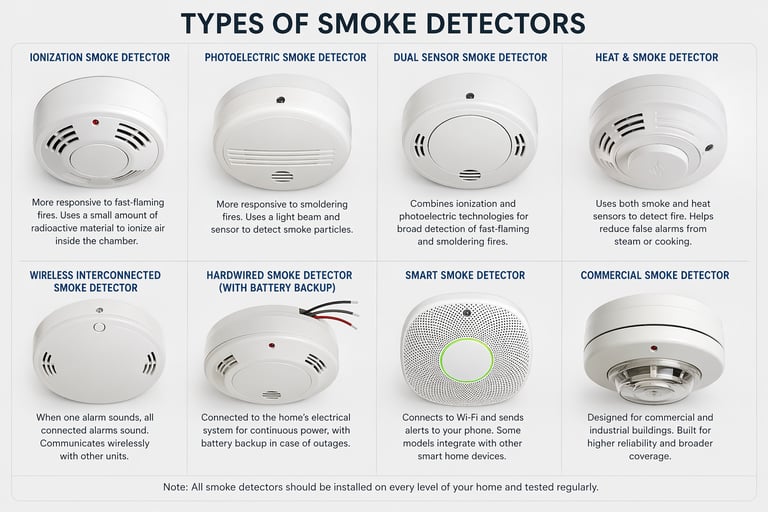
Smoke Detectors
Did you know that your smoke detector is only good for 10 years, and must be replaced after that?
These life-saving devices do more than most people realize:
The risk of dying in reported home structure fires is cut in half in homes with working smoke alarms
Three of every five home fire deaths resulted from fires in homes with no or non-working smoke alarms
Test your smoke alarms every month to make sure they operate.
Dead batteries caused one-quarter (24%) of the smoke alarm failures
Yellow DOT Program
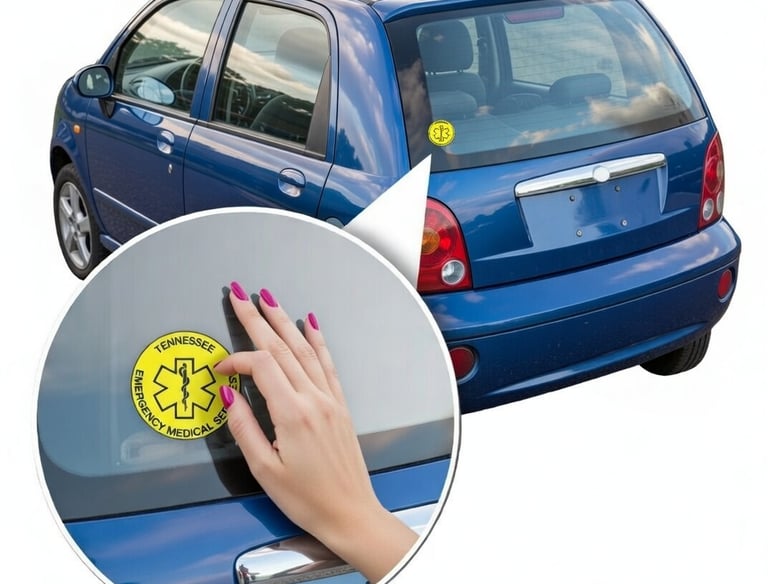
The Tennessee Yellow DOT Program was launched in 2014, and is designed to help first responders make the best decision in the event of an emergency on Tennessee’s roadways by knowing a crash victim’s specific medical conditions, medications, or medical allergies.
The information can mean the difference between life and death in the “Golden Hour” immediately following a serious incident.
We are proud to be able to serve our community by being an enrollment center. Stop by the station anytime to get an enrollment packet. You can have one for each vehicle you drive.
To see a list of all enrollment centers, click here.

Knox HomeBox
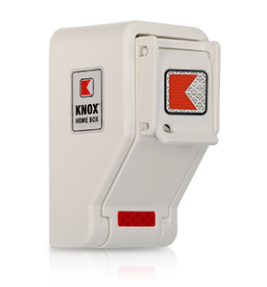
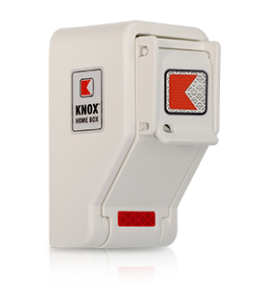
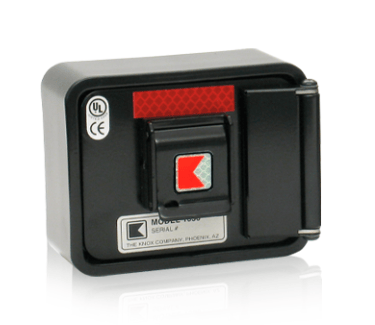
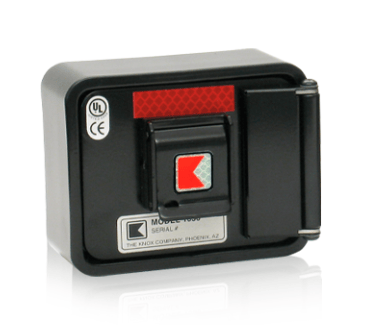
Sometimes, the best tool at our disposal… is a key. A Knox HomeBox is a cost-effective way to enable us to enter your home quickly and without damage if you’re not home or are unable to open the door. It is a key safe mounted outside that can be unlocked only by the fire department.
Go to the Knox HomeBox website for more details.

SafeAwake
Fire Safety Device
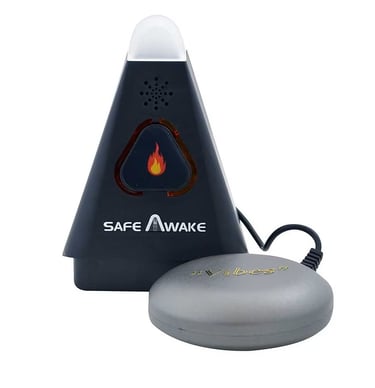
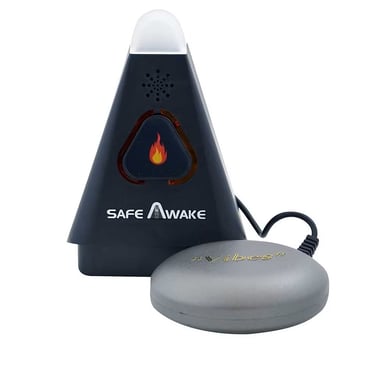
The SafeAwake is a fire safety device that awakens deaf, hard-of-hearing, and any other individuals to fire emergencies. The device is designed to work in partnership with a properly installed and working smoke alarm to alert sleeping individuals of a fire.
Once a smoke alarm is activated, the SafeAwake identifies the alarm and activates a bed shaker, a low frequency sounder, and a visual flashing light to alert a sleeping person who may not be able to hear the smoke alarm to the fire emergency. Sleep peacefully while feeling confident that you will wake up when your smoke alarm is activated. The SafeAwake is made in the U.S.A. and comes with a 30-day money back guarantee and a 2-year limited warranty.

About Fall Branch Fire
Serving our community with dedication since our founding, Fall Branch Volunteer Fire is proud to protect and support our neighbors.


Our Mission
Community Focus
We prioritize safety education and outreach, working closely with residents to build a safer community for everyone.
Contact
For Emergencies, Call 911. Reach out by email anytime for questions or support.
Phone
(423) 348-7171
© 2026. All rights reserved.